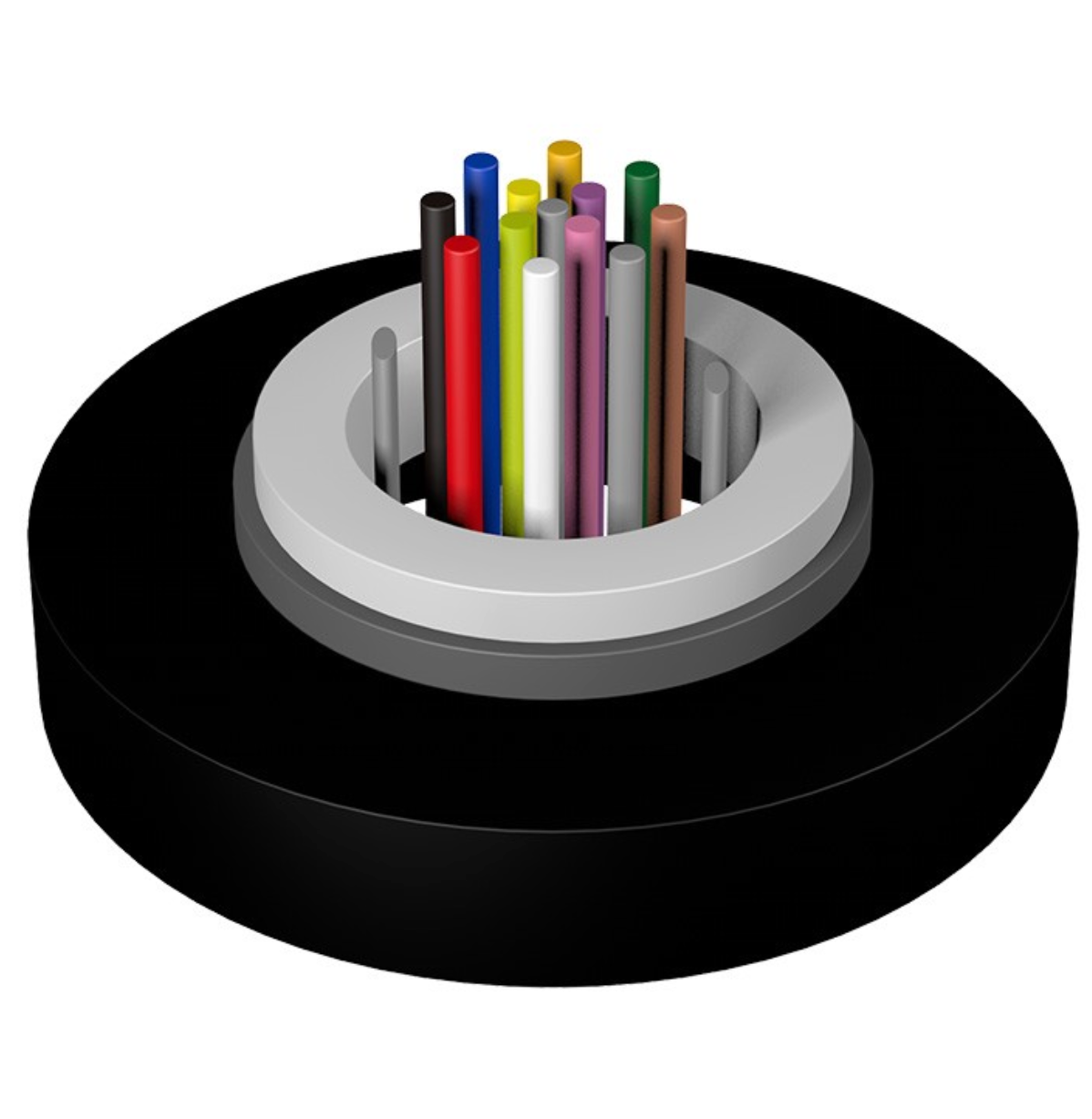
Central loose tube non-metallic non-armored outdoor cable with PE sheath for duct and supported aerial routes.
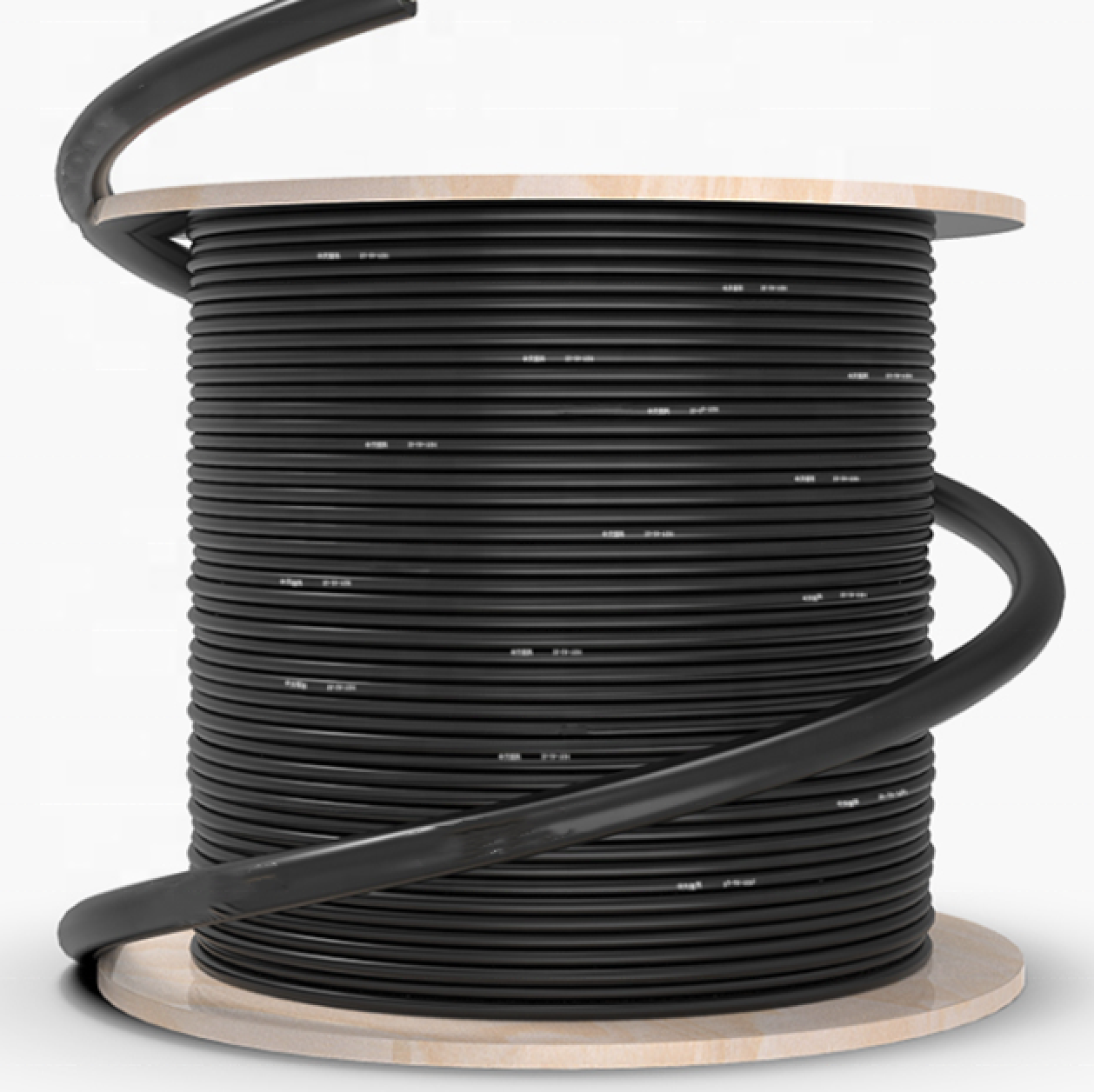
GYFXTY is an outdoor central loose tube fiber optic cable designed for lightweight, non-metallic outdoor communication routes. A typical structure includes optical fibers inside a filled central loose tube, tube filling or water-blocking materials, a non-metallic strength member subject to final cable design, and a PE outer sheath. GYFXTY is suitable for duct networks, indoor-outdoor transitions, and aerial routes with external support where a non-metallic cable design is preferred. Fiber type, fiber count, strength member design, sheath material, and mechanical performance should be confirmed according to final cable design and project requirements.
Request Quote Download DatasheetProduct Answer
What is GYFXTY fiber optic cable?
GYFXTY is an outdoor central loose tube non-metallic fiber optic cable with a PE outer sheath. It is selected for duct and supported aerial routes where non-metallic central strength member construction is specified. Confirm fiber count, strength member, and mechanical requirements against the final cable design.
Compare GYFXTY with similar cable types for your project.
| Requirement | GYFXTY (Central Tube) | GYFTY (Stranded Tube) | GYFTA (Alu Tape) |
|---|---|---|---|
| Fiber arrangement | Central loose tube | Stranded loose tube | Stranded loose tube |
| Fiber count | Confirm final design | Confirm final design | Confirm final design |
| Strength member | Non-metallic; confirm final design | Non-metallic; confirm final design | Confirm final design |
| Electrical consideration | Non-metallic design | Non-metallic design | Metallic APL barrier |
| Best Pick | Compact non-metallic central tube | Non-metallic stranded loose tube | Routes needing APL barrier |
Primary cable from splitter cabinet to building entry points in FTTH networks.
Inter-building duct connections in university, hospital, and business park campuses.
Indoor/outdoor transition cables for enterprise local area network infrastructure.
Backhaul feeder for 5G small cell sites requiring compact rodent-resistant cabling.
Trunk cable for video surveillance networks in residential compounds and industrial parks.
Compare GYFXTY with related outdoor cable types to choose the right cable for your project.
Final cable selection depends on project-specific requirements. Unconfirmed specifications should be confirmed with the manufacturer before ordering.
Configure the key requirement for GYFXTY Outdoor Central Loose Tube Non-Metallic Fiber Optic Cable. Select standard options or enter custom notes, then send your RFQ by WhatsApp or email.
Central tube outdoor cable with steel strength member.
All-dielectric self-supporting aerial fiber optic cable.
APL moisture barrier stranded loose tube outdoor cable.
Steel tape armored stranded loose tube outdoor cable.
View related product details.
Central loose tube outdoor fiber optic cable.
Review non-metallic outdoor cable construction, route condition and quotation inputs before approving a cable design.